
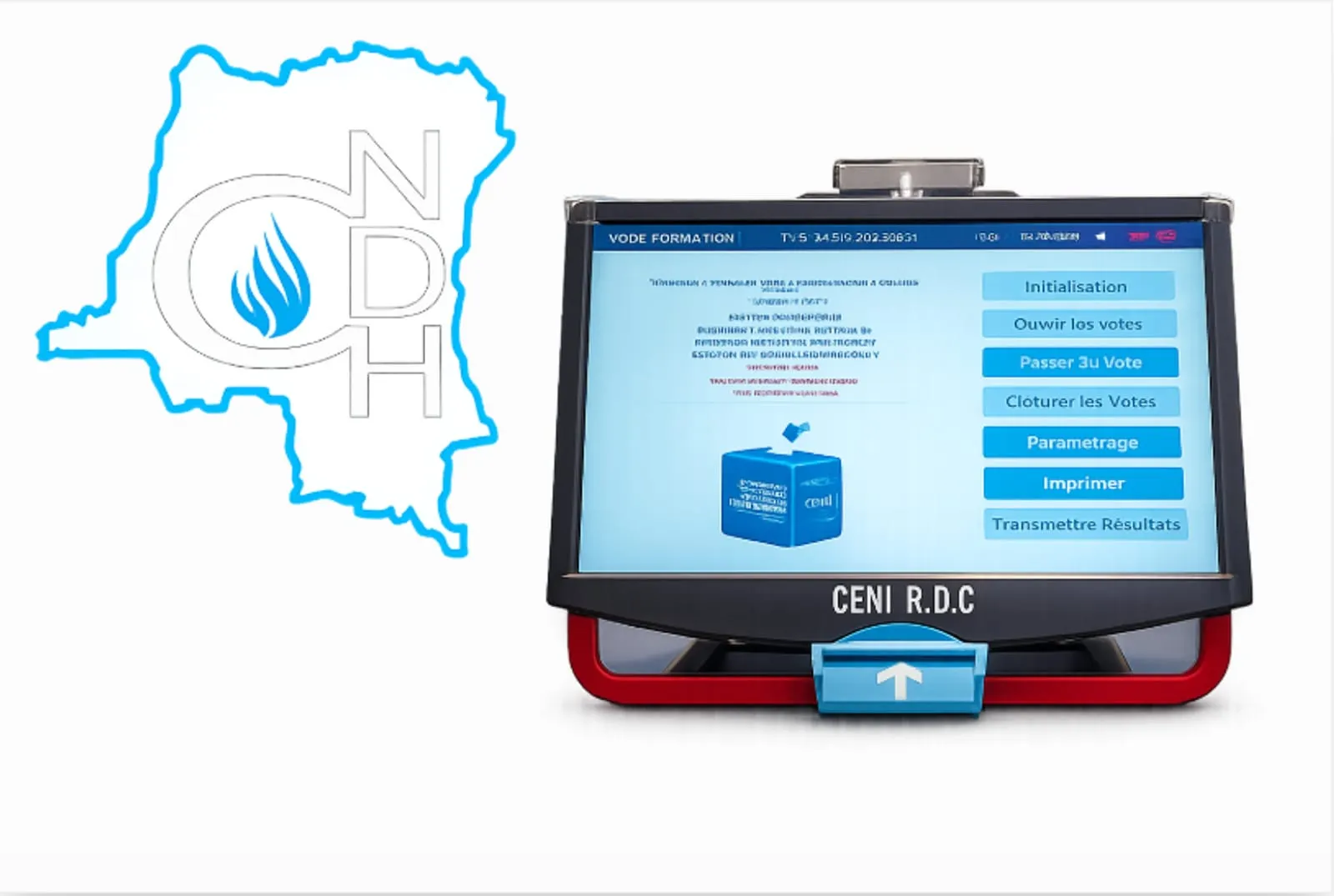
As part of its mandate to promote and protect human rights, the National Human Rights Commission (CNDH) monitored the human rights situation observed during the electoral campaign and the polls of 20 December 2023 in the Democratic Republic of the Congo.
This report addresses neither the election results nor the designation of winners or alleged perpetrators of electoral irregularities. It analyses exclusively the facts related to the respect for fundamental rights and freedoms throughout the electoral process, in accordance with the CNDH’s legal attributions.
An observation mission deployed in the field
Through an observation mission deployed in Kinshasa and in the provinces, the Commission’s teams documented the observed facts qualitatively, also relying on information gathered by its provincial offices.
The CNDH recalls that this observation is based on a qualitative approach. Allegations of human rights violations requiring in-depth investigation will be the subject of separate investigations before any conclusion on possible responsibilities.
Progress to be welcomed
The Commission notes several positive developments during the electoral process:
- the overall respect of the electoral calendar by the Independent National Electoral Commission (CENI), despite significant financial, logistical and security challenges;
- the improvement of the legal framework for elections;
- progress in the identification and registration of voters, the improvement of the electoral file and the acquisition of electoral material;
- access of the main candidates to public and private media;
- measures that fostered greater participation by women, persons with disabilities and other traditionally under-represented categories.
Persistent concerns
However, the CNDH highlights several concerns likely to have affected citizens’ civil and political rights. Among the observed facts are:
- hate speech and acts of intimidation;
- violence between supporters and tensions that caused harm to persons and property in certain provinces;
- the destruction of candidates’ campaign materials;
- alleged restrictions on the freedom of movement of certain political actors;
- the lack of transparency in the recruitment of electoral agents and shortcomings in their performance throughout the process.
Difficulties encountered by voters
The report also draws attention to the difficulties encountered by many voters before the vote, including:
- the poor quality of some voter cards;
- difficulties in obtaining duplicates and the distance to issuing centres;
- delays in posting electoral lists and the late opening of many polling stations.
In several cases, these constraints limited the effective exercise of the right to vote.
Irregularities observed during the polls
The observation teams also reported numerous irregularities observed during the polls, including:
- acts of electoral corruption and attempted fraud;
- vandalism of electoral material and destruction of electronic voting devices;
- electoral campaigns continued on polling day;
- difficulties encountered by vulnerable categories — the elderly, persons with disabilities and internally displaced persons — in fully exercising their right to vote;
- allegations of ballot stuffing, manipulation of electronic voting devices, use of false accreditations and obstruction of the work of witnesses and observers.
In several provinces, these incidents led to the temporary cancellation of electoral operations, the postponement of voting in certain constituencies and harm to persons and property.
CNDH recommendations
In light of these findings, the CNDH encourages the competent institutions to draw lessons from this process in order to strengthen guarantees for the respect of human rights in future elections. It recommends in particular:
- strengthening the training of electoral agents;
- better logistical anticipation and planning;
- securing electoral material;
- greater consideration of the needs of vulnerable persons;
- a more effective fight against all forms of fraud, violence and intimidation.
Through this report, the CNDH reaffirms its commitment to supporting the institutions of the Republic in consolidating a transparent, inclusive, peaceful electoral process that respects the fundamental rights and freedoms of all citizens.
A lesson for the future
Beyond noting the irregularities, the Commission stresses that these challenges are valuable lessons for strengthening the credibility of future electoral processes. Improving the accessibility of polling stations for vulnerable persons, strengthening the training of agents and the mechanisms for preventing violence and fraud: these priorities determine citizens’ confidence in the democratic mechanisms of the Democratic Republic of the Congo.
Through this assessment, the CNDH reaffirms its role as an institution supporting democracy and promoting human rights, in the service of governance based on the rule of law.
Read also
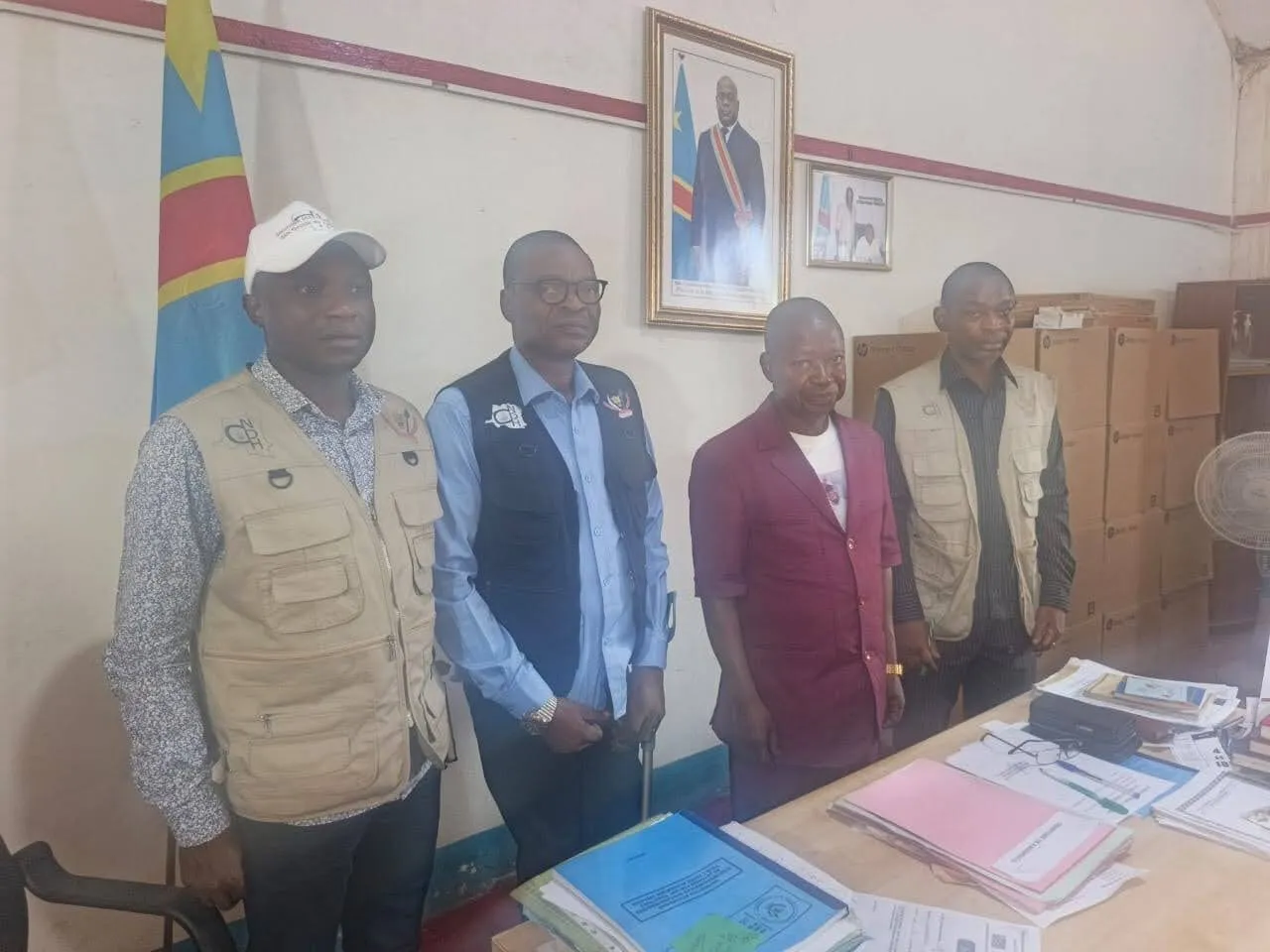
Kasangulu: CNDH investigates a customary dispute over succession in Nsambuka village
As part of its mandate to promote and protect human rights, the CNDH conducted an investigation mission into a customary dispute that caused tensions in Nsambuka village.
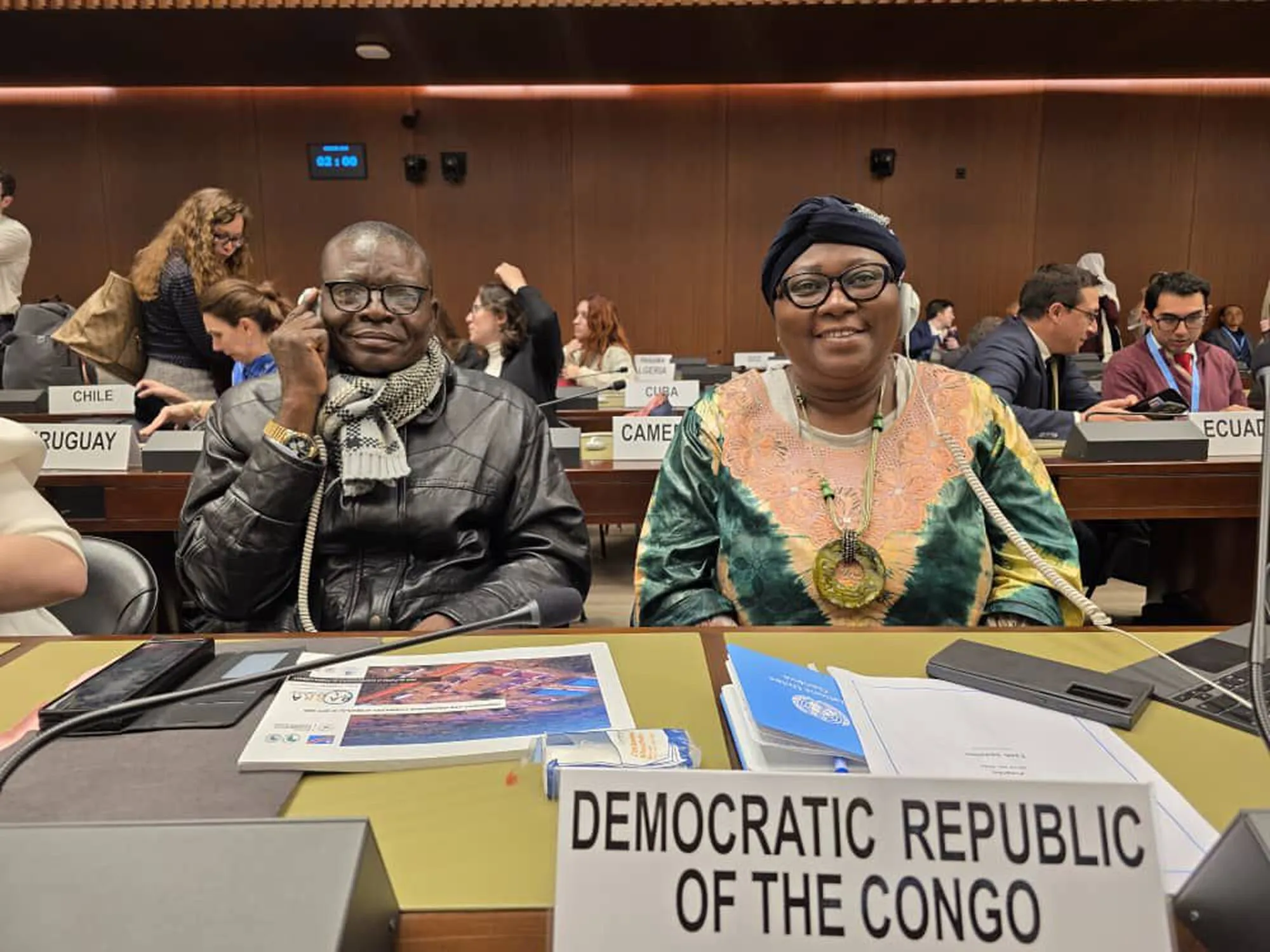
Strategic partnership with international organisations
A new agreement aimed at digitalising the monitoring of fundamental rights violations and strengthening institutional cooperation.